
Clean windows make homes, offices and commercial spaces look brighter and better maintained. A practical window squeegee helps remove water and cleaning solution from smooth glass surfaces, making it a useful addition to everyday cleaning routines.
For cleaning product importers, wholesalers, retailers and private label brands, the plastic window squeegee is a practical product to consider. Its straightforward design, lightweight construction and broad range of potential applications make it suitable for many household cleaning product assortments.
This guide explores the features buyers should consider when sourcing plastic window squeegees, from product design and cleaning performance to quality control and OEM customisation.
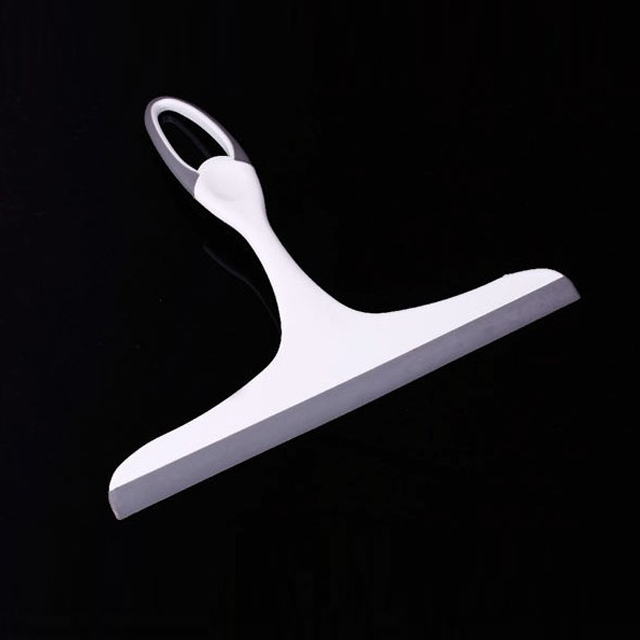
A plastic window squeegee is a cleaning tool designed to remove water and cleaning solution from glass and other suitable smooth surfaces. It typically consists of a handle, a frame or support and a wiping blade.
Depending on the design, plastic squeegees may be used for household windows, mirrors, glass doors, shower screens and other compatible surfaces.
For wholesale buyers, the exact product structure, blade material, dimensions and intended applications should be confirmed with the manufacturer before ordering.
A simple, practical design can be valuable in household cleaning products. When selecting a plastic window squeegee, buyers should consider several features.
A lightweight design can make everyday cleaning more convenient. Handle shape, grip and overall balance influence how comfortable a squeegee is to use.
The blade is one of the most important components affecting cleaning results. Its flexibility, edge quality and contact with the surface can influence how effectively it removes water.
A suitable blade should be selected for the intended application. Buyers should assess the actual product rather than assuming all squeegees provide identical results.
A practical design can make the product easy to store and suitable for a range of household cleaning tasks. Handle construction and blade attachment should be checked for stability and consistency.
Compact designs can be convenient for household storage, retail assortments and cleaning tool collections. Buyers should confirm the product dimensions and packaging configuration when planning distribution.
Plastic window squeegees may be suitable for a range of cleaning applications, depending on the design and blade material.
Home windows: Removing water and cleaning solution from suitable glass surfaces.
Mirrors: Helping clear water from compatible mirror surfaces.
Shower screens: Removing water after use to help reduce visible water marks.
Glass doors: Supporting routine cleaning of smooth glass surfaces.
Household cleaning kits: Adding a practical glass-cleaning accessory to a broader product range.
Retail and promotional programmes: Supplying branded cleaning tools for selected marketing or retail projects.
Commercial users should confirm whether a particular model is suitable for their cleaning frequency, working environment and performance requirements.
A window squeegee's performance depends on the combined design of its handle, support structure and wiping blade.
A consistent blade edge helps maintain contact with the surface. Defects, uneven edges or unsuitable flexibility can affect water removal.
A comfortable handle can improve control during use. Buyers should consider grip shape, length, overall dimensions and the intended user.
The connection between the frame and blade should remain stable during normal use. Inspect the product for loose components, deformation and other visible defects.
Products supplied in bulk should match the approved sample and agreed specifications. Consistent dimensions, appearance and assembly help buyers maintain a reliable product range.
For private label projects, define the key quality requirements before mass production.
Choosing a supplier involves more than comparing unit prices. Importers and distributors should evaluate product specifications, quality control, customisation and supply arrangements.
Product specifications: Confirm dimensions, materials, blade design, colours and packaging.
Sample evaluation: Test samples on suitable glass surfaces and assess water removal, handling and overall workmanship.
Quality control: Ask how the manufacturer checks blade edges, assembly, appearance and consistency during production.
Customisation capability: Confirm whether colours, logos, packaging or other requested modifications are available.
Order planning: Discuss minimum order quantities, sample lead time, production lead time and carton details.
Repeat-order consistency: Keep an approved reference sample and written specifications to support future orders.
A clear product brief helps both the buyer and manufacturer establish realistic expectations.
For cleaning product distributors, supermarkets, homeware retailers and private label brands, OEM sourcing can help align a product with a particular market or brand identity.
Depending on the model and production process, customisation may include:
Handle or frame colours.
Logo application, where technically suitable.
Retail packaging and carton printing.
Product specifications or design adjustments for suitable projects.
Packaging combinations for cleaning tool assortments.
Customisation options, minimum order quantities and tooling requirements depend on the product. Confirm feasibility, costs and lead times with the manufacturer before placing an order.
For an accurate wholesale quotation, buyers should provide a product reference or drawing, estimated quantity, preferred colours, branding requirements, packaging details and destination market.
Before confirming a large order, consider the following checklist:
Dimensions: Verify the product measurements against the approved specification.
Material and construction: Confirm the specified plastic components and wiping blade material.
Blade inspection: Check the blade edge for visible irregularities or damage.
Assembly: Ensure that the handle, frame and blade are fitted correctly.
Cleaning test: Evaluate water removal on a suitable smooth glass surface.
Appearance: Inspect for cracks, deformation, excessive flash or other visible defects.
Packaging: Confirm unit quantity, carton dimensions, labelling and protection during shipping.
Sample approval: Retain an approved sample as a reference for mass production.
These checks help reduce the risk of receiving products that do not match the agreed requirements.
It is designed to remove water and cleaning solution from suitable smooth surfaces, including windows, mirrors and glass doors, depending on the model.
Check the blade quality, handle design, assembly, dimensions, intended applications and consistency with the approved sample.
Depending on the product, manufacturers may offer colour options, logo application and customised packaging. Confirm available methods and minimum order quantities before ordering.
Provide the desired product specifications, reference photos, estimated quantity, customisation requirements and destination market to obtain a relevant quotation.
Use a written specification and approved reference sample, and agree on inspection criteria with the manufacturer before production.
For importers, wholesalers, cleaning product distributors and private label brands, selecting the right window squeegee means balancing practical design, cleaning performance, product consistency and cost.
Ningbo Easy Houseware Factory supplies plastic houseware and household cleaning products for international B2B customers. Depending on the selected product and project, customisation options may include colours, logos and packaging.
If you are sourcing plastic window squeegees for retail, wholesale distribution or private label programmes, share your target specifications, estimated order quantity and destination market to discuss suitable options and pricing.
Contact Ningbo Easy Houseware Factory to discuss your wholesale and OEM cleaning tool requirements.
Contact: seeh2013
Phone: 17706618460
Tel:
Email: fheasybrush@126.com
Add: sanheng industrial zone, Jiangkou Street, Fenghua city, Ningbo city
 Grace
 cneasyhouse